As Ernest Shackleton once said, “Optimism is true moral courage.” While revisiting his expedition in Endurance, this perspective strongly resonated with the realities many organizations are facing today.
In uncertain environments, leadership is not about having a perfect plan, but about adapting when it no longer works. This understanding has shaped Anis Bouyahia’s approach to leadership over the years. In an interview with SME BUSINESS REVIEW, he reflected on how resilience, clarity, and execution under pressure define effective leadership in times of change.
This perspective also reflects a conscious choice: to operate in environments where stability cannot be assumed, and where clarity must be created under pressure.
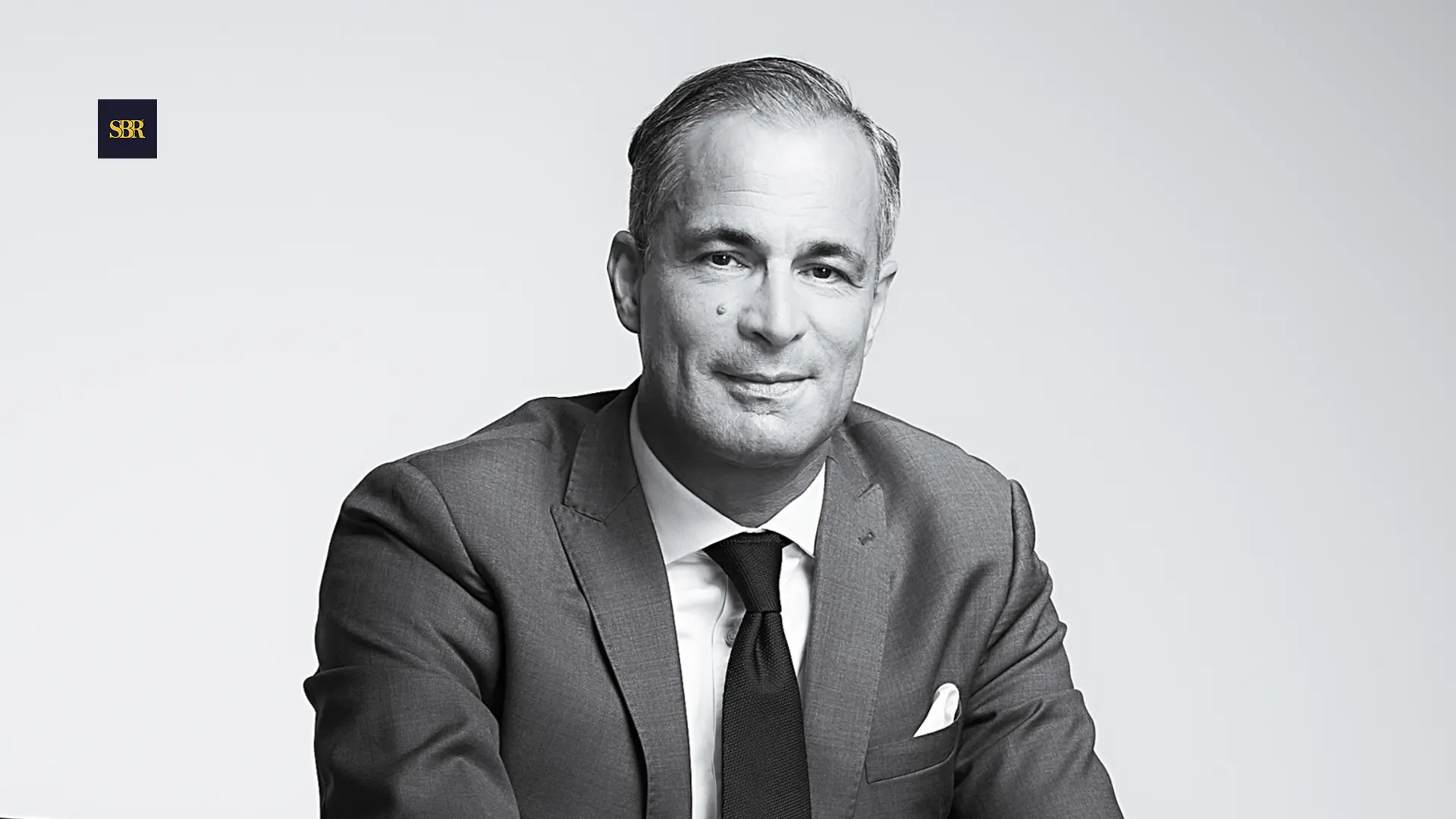
Anis Bouyahia is the founder of ad temporis Interim Management and currently serves as its CEO.
ad temporis Interim Management is a platform that delivers experienced leadership exactly when it is needed, without delay or internal constraints. It was established in 2009 in Zurich, Switzerland, and has a branch in Hamburg, Germany.
In Conversation with Anis Bouyahia
How did ad temporis Interim Management come into existence, and what challenges did it face in the early days?
I built ad temporis based on a recurring pattern I observed throughout my international work, where organizations often had strategies in place but struggled to execute when faced with pressure, urgency, and complexity. What was missing was not knowledge, but the ability to act decisively in complex, time-critical environments.
This led me to found ad temporis, a global interim executive management company. In the early days, one of the main challenges was how this approach was perceived. Interim leadership was often seen as temporary support rather than as a critical factor in transformation. Over time, this perception shifted, primarily through the feedback of my customers. They experienced firsthand that speed, clarity, and execution in difficult situations are often more valuable than long-term structures.
I deliberately chose this path because it requires starting over again and again — forcing focus, clarity, and real impact.
As a global interim executive management company, what are ad temporis’ key focus areas?
My focus is not defined by industries alone, but by the situations my customers are facing within those industries. Across life sciences, MedTech, BioTech, industrial manufacturing, start-ups, and public organizations, my customers typically require support in restructuring, organizational transformation, global supply chain stabilization, and operational realignment. These are not theoretical challenges; they are real, often time-critical situations where decisions must be made and implemented quickly.
My role is to step into these environments, understand the specific context, and act based on what is required in that moment. What matters most is not stability itself, but the ability to create it through continuous adaptation.
Who does ad temporis serve, and how does it address their needs?
I work with customers at critical turning points, regardless of their size. This includes global organizations as well as SMEs, particularly when internal structures are either overloaded or not equipped to deal with the speed and complexity of the situation. What my customers need in these moments is not additional analysis, but clarity and the ability to move forward.
My approach is therefore highly pragmatic, creating transparency, aligning stakeholders, and ensuring that decisions are translated into execution.
What key services does ad temporis offer, and how do these services support organizations through restructuring and reorganization?
My core service is to take on executive responsibility during phases of transformation. This includes leading restructuring programs, managing operational turnarounds, stabilizing supply chains, and supporting organizational change. However, the most critical aspect is not only the structural or operational change, but also bringing people along.
Transformation only works if employees understand the direction, align with the objective, and are continuously supported throughout the process. This requires staying present and engaged at all times, especially in difficult situations — not stepping away, but moving forward with the team, adapting continuously.
What processes does ad temporis implement to ensure its services meet the needs of these organizations?
My approach is based on clarity, involvement, and continuous adaptation.
The identification and evaluation of key users within the organization plays an important role. These individuals act as multipliers, helping to anchor change within the teams.
Transformation is not a one-time initiative. Change is not introduced as an exception — it becomes a constant that teams learn to work with and adapt to. It is a continuous element embedded in daily operations. Clear structures, transparent goals, and defined pathways are essential. At the same time, progress must be made visible. Small successes along the way are important. They create momentum, build confidence, and help organizations move forward, even in complex situations.
Do you have any testimonials or feedback from your clients or partners that you would like to share?
The feedback I receive from my customers consistently highlights aspects such as speed of understanding, clarity in complex environments, and the ability to deliver under pressure. What is often emphasized is the difference in perspective — operating without internal constraints and focusing purely on outcomes.
In many cases, my customers note that their perception of leadership shifts during the collaboration. The focus moves away from structure and hierarchy toward impact and execution.
Ultimately, the most meaningful feedback is reflected in results, including stabilized operations, aligned teams, and structures that continue to function sustainably.
Amid geopolitical uncertainty, energy volatility, and supply chain disruption, how can ad temporis help organizations reduce risk and maintain operational continuity?
In the current global environment, uncertainty cannot be eliminated, but it can be managed. Geopolitical tensions, energy volatility, and supply chain disruptions require organizations to rethink how they operate. My focus is on strengthening resilience, improving decision-making speed, stabilizing operations, and ensuring adaptability.
The creation of alternatives and redundancies is critical.
Organizations need structures that allow them to react quickly, rather than relying solely on cost-optimized, single-path solutions. In volatile environments, focusing purely on cost optimization often creates additional risk.
My objective is not to find the cheapest way, but the most reliable one, especially in volatile environments. This enables organizations to maintain continuity while remaining flexible enough to adapt as the situation evolves.
What benefits does ad temporis offer SME clients during critical periods versus traditional leadership and consulting models?
For SMEs, critical situations often have immediate consequences, with little buffer for prolonged uncertainty.
Traditional leadership or consulting models may not provide the speed or operational focus required in such moments. The advantage of my approach lies in immediacy, independence, and execution.
There is no transition phase, no internal agenda, and no long-term positioning. The focus is entirely on addressing the challenge at hand. This allows SMEs to access experienced leadership exactly when needed, without the constraints of permanent structures.
What are your short- and long-term goals, and where do you see your priorities in the coming years?
My focus is not on scaling in size, but on increasing access to the right expertise. This is reflected in the development of the ad temporis Consortium, a global network of experienced interim and project executives.
The objective is to create a flexible structure that allows customers to access precisely the capabilities required for specific challenges. In parallel, I am increasingly engaged in mentoring, lecturing, and developing perspectives on leadership, particularly from an external and execution-focused standpoint.
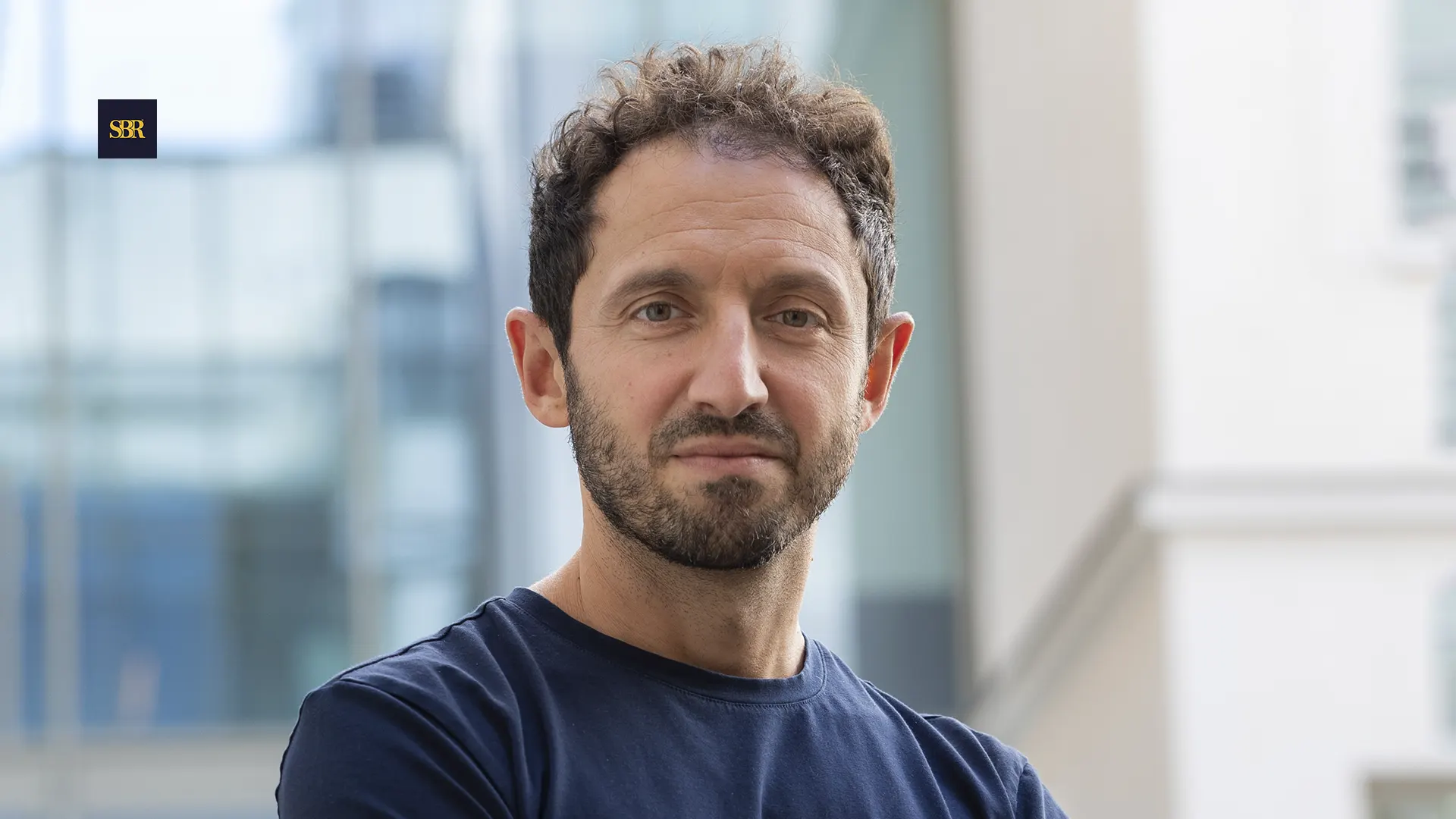
ANIS BOUYAHIA | FOUNDER & CEO
Anis Bouyahia is the founder and CEO of ad temporis Interim Management. With nearly two decades of international experience, he has led over 70 mandates across more than 15 countries, supporting a broad range of globally operating customers across life sciences, pharma, BioTech, MedTech, industrial manufacturing, start-ups, and public organizations.
His work focuses on restructuring, organizational transformation, and global supply chain management in complex and high-pressure environments.
He was recognized with the Interim Management Service Provider Award - Europe 2025 and is known for a pragmatic, execution-driven leadership approach, centred on clarity, adaptability, and impact beyond visibility.